
Pain Reprocessing Therapy for Fibromyalgia: A Path to Lasting Relief
Fibromyalgia is a complex condition characterized by widespread pain, fatigue, and cognitive difficulties. Traditional treatments often focus on managing symptoms through medication, physical therapy, or lifestyle changes. However, many individuals continue to experience persistent pain despite these interventions. Pain Reprocessing Therapy (PRT) offers a new approach by addressing the brain’s role in maintaining chronic pain and helping individuals regain control over their bodies.

What is Pain Reprocessing Therapy?
Pain Reprocessing Therapy (PRT) is a neuroscience-based approach that helps retrain the brain’s perception of pain. Research suggests that chronic pain conditions, including fibromyalgia, can be maintained by neural pathways rather than ongoing physical damage. By changing the brain’s interpretation of pain signals, PRT helps reduce fear and sensitivity, leading to significant relief.
How Does PRT Work for Fibromyalgia?
Fibromyalgia is often linked to an overactive nervous system that amplifies pain signals. PRT helps to rewire this response through:
- Education: Understanding how the brain and nervous system contribute to fibromyalgia pain.
- Awareness Training: Recognizing thoughts, emotions, and behaviors that may increase pain sensitivity.
- Cognitive Reframing: Changing pain-related thought patterns to reduce the brain’s fear response.
- Somatic Tracking: Observing pain sensations with curiosity and non-judgment, reducing their intensity.
- Emotional Processing: Addressing stress, trauma, and emotional factors that may contribute to pain persistence.
Research Supporting PRT for Chronic Pain
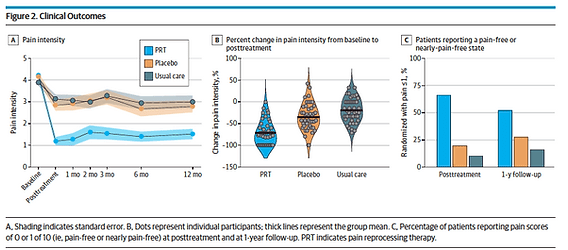
A landmark study published in JAMA Psychiatry (2021) led by Alan Gordon found that PRT significantly reduced chronic back pain, with 66% of participants becoming nearly or completely pain-free. While fibromyalgia-specific studies are still developing, the principles of neural reprocessing apply to conditions involving central sensitization, making PRT a promising approach.
What to Expect from PRT for Fibromyalgia
PRT is a process that typically takes several sessions to see noticeable improvements. Many individuals report reduced pain, improved mobility, and decreased fatigue as they apply PRT techniques consistently. By gradually retraining the brain’s pain response, individuals with fibromyalgia can experience lasting relief and greater confidence in their ability to manage symptoms.
Who Can Benefit from PRT?
PRT is particularly beneficial for individuals who:
- Have been diagnosed with fibromyalgia and struggle with persistent pain.
- Have tried medications or other treatments with limited success.
- Experience heightened pain sensitivity or symptoms that fluctuate with stress.
- Are open to exploring the brain’s role in chronic pain and learning new strategies for relief.
- Notice that fear, frustration, or avoidance behaviors contribute to their symptoms.
Getting Started with PRT
If you’re interested in exploring PRT for fibromyalgia, the first step is to learn more about how your brain processes pain. I offer a free consultation to help you determine whether this approach is right for you. During the consultation, we will discuss your symptoms, identify patterns contributing to pain persistence, and create a personalized plan for retraining your brain’s response to pain.
Additionally, online peer support groups provide a space to connect with others who are on the same journey, offering encouragement and shared experiences.
Breaking Free from Fibromyalgia Pain
Your brain is capable of change, and so are you. If fibromyalgia has controlled your life, Pain Reprocessing Therapy may offer the relief you’ve been searching for. By shifting your brain’s response to pain, you can regain confidence, improve your well-being, and take back control of your body.
Are you ready to take the first step? Click [here] to book your free consultation and start your journey toward lasting fibromyalgia relief.

An Inspiring Story: Dr. Howard Shubiner’s Interview
If you need more inspiration, I highly recommend watching this interview with Dr. Howard Shubiner. He shares the story of a woman who endured emotional struggles in childhood, which later manifested as chronic headaches, pain, and ultimately fibromyalgia. Through mind-body healing techniques and a deeper understanding of the emotional connection to pain, she was able to reclaim her life. Her journey serves as a powerful reminder that healing is possible, and that understanding the root cause of pain can lead to profound transformation.
Book Your Free Consultation: Start Your Healing Journey Today!
Your message has been sent

 mind body cure