

For as long as I can remember, I struggled with migraine and dizziness. As a child, I got sick on every single car trip. Growing up, it got worse—school buses, other people’s cars, even short trips would leave me nauseous and disoriented. During pregnancy, it became unbearable. At the time, I thought it was just motion sickness, but looking back, it was the first sign of vestibular migraines—a chronic pain condition that would eventually take over my life.
When Vestibular Migraines Took Over
Determined to take control of my health, I trained to become a yoga teacher trainer. Yoga therapy incorporates balance work, eye movement exercises, and nervous system regulation—many of the same techniques used in vestibular rehabilitation therapy (VRT). I hoped these practices would help, and while they gave me some relief from muscle tension, they never truly resolved my dizziness and migraines.
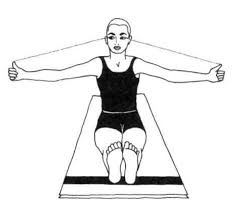
As my symptoms worsened, I went to an ear, nose, and throat (ENT) specialist. The diagnosis? Canal dehiscence—a condition where part of the inner ear is thinner than usual. The specialist handed me a leaflet of daily vestibular exercises, which I quickly realized were the same movements I had already been doing through yoga.
Confused, I asked, “Why are my symptoms suddenly so much worse if I was born like this?” The doctor had no answer. That appointment left me feeling lost—as if my symptoms had no real explanation.
Stress, Grief, and the Breaking Point
At the same time, my dad was seriously ill, and I was under immense emotional stress. Watching his health decline, feeling powerless, the sleepless nights—it all built up inside me.
By the time he passed away, my vestibular migraines spiraled out of control. The dizziness was constant, my balance felt completely off, and I couldn’t even turn my head without feeling disoriented.
Then, one day at work, it hit me hard. I had to leave because I could no longer stand. The dizziness was overwhelming, my vision blurred, and I felt like I was going to collapse. My body was shutting down, and I had no idea how to stop it.
I had been prescribed rehabilitation exercises and medication, including antidepressants, but they barely took the edge off. It felt like I was doing everything right, yet my symptoms kept worsening.
One day, I found myself crying in my GP’s office, saying, “I can’t live like this.” I had hit a breaking point—a complete nervous breakdown.

Taking Time to Reset: What My Brain Actually Needed
I took two weeks off work, disconnected from everything, and immersed myself in nature, yoga, and stillness.
Instead of forcing my body through more treatments and exercises, I started listening to what it actually needed—to feel safe.
I practiced gentle yoga nidra, deep breathing, and grounding techniques. I let myself grieve, rest, and truly slow down. And for the first time, I noticed something surprising—my symptoms started to ease.

The Missing Piece: Pain Reprocessing Therapy (PRT)
This was my first glimpse into the mind-body connection. I later discovered Pain Reprocessing Therapy (PRT)—a scientifically proven method that retrains the brain to stop overreacting to pain and dizziness.
A randomized controlled trial published in JAMA Psychiatry found that: 98% of patients improved after Pain Reprocessing Therapy. 66% became pain-free or nearly pain-free by the end of treatment. These results were largely maintained one year later.
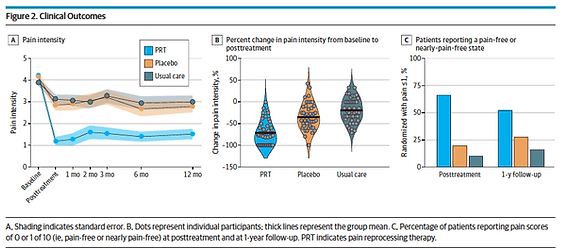
PRT works by teaching the brain that dizziness and migraines are not dangerous. Instead of triggering fear and panic, the brain learns to interpret these sensations differently, allowing them to fade over time.
How Pain Reprocessing Therapy Helps Vestibular Migraines
 Retrains the brain to stop perceiving dizziness as a threat. Reduces fear and anxiety, breaking the cycle of symptom amplification. Uses somatic tracking to help the nervous system calm down, allowing symptoms to fade.
Once I started working with Pain Reprocessing Therapy, everything changed. I realized my nervous system had become stuck in a cycle of fear, keeping my symptoms alive. When I learned to stop fearing my dizziness and migraines, my body finally started to heal.
Healing Requires a Combined Approach
For me, true healing came when I combined:
 Vestibular Rehabilitation Therapy (VRT) – Exercises to improve balance and stability. Nervous system regulation – Using breathwork, movement, and mindfulness to calm the brain’s overactive response. Pain Reprocessing Therapy (PRT) – The missing piece that retrained my brain to stop amplifying dizziness and migraines.
Final Thoughts: There Is Hope
If you’re trapped in dizziness, migraines, and exhaustion, I understand. I know what it’s like to feel hopeless, to think, “I can’t live like this.”
But healing is possible. A combined approach—including Pain Reprocessing Therapy—can help retrain your brain and break free from chronic symptoms. Book a 30 minutes free consultation to understand if PRT can work for you.


 mind body cure
Leave a reply to The Mindful Migraine Blog Cancel reply